





Planning your Umrah from the UK does not have to mean choosing a fixed package or waiting for somebody to prepare a quotation. The way people search for Umrah packages is changing. Travellers increasingly want to choose their own flights, hotels, dates and length of stay, while seeing the options and price for the journey they are actually trying to create. This is where a Real-Time Umrah Builder is different. The Cypher Travel Real-Time Umrah Builder allows UK travellers to build a Traditional Umrah package around their own requirements using available flight, hotel and travel options. What Is a Real-Time Umrah Builder? A Real-Time Umrah Builder is an online tool that allows you to search available travel options and build your own Umrah journey rather than simply selecting from a fixed package. With the Cypher Travel Real-Time Umrah Builder, you can choose your: UK departure airport Travel dates Flights Makkah hotel Madinah hotel Number of nights Available travel options such as transfers You can then create your Traditional Umrah journey around the choices you make. Build Your Own Umrah Package When someone searches for “build my own Umrah package” , they are usually looking for more control over how their journey is put together. You may already know which UK airport you want to fly from. You may have particular travel dates, a preferred Makkah hotel or a specific number of nights in Madinah. Rather than starting with a package that has already been put together, a real-time builder allows you to start with your own requirements . You choose the available options and build the journey around them. Real-Time Umrah Builder vs Live Umrah Prices The terms live Umrah prices and Real-Time Umrah Builder can sound like they mean the same thing, but they do not necessarily describe the same experience. A website can display current or recently updated prices for pre-built Umrah packages. A Real-Time Umrah Builder goes further by allowing the customer to search and select the components of the journey they want to create. For example, changing your flight, hotel, departure airport or length of stay can change the journey you are building. The important difference is not simply whether a price is displayed today. The important difference is whether you can build the journey around your own selections. Real-Time Umrah Builder vs a Custom Umrah Quote There is also an important difference between building your own Umrah package and requesting a custom quotation. A traditional custom quotation usually works like this: You provide your travel requirements A travel company or advisor reviews them A package is prepared for you You receive a quotation A real-time package builder is designed around a different process: You enter your travel requirements You search the available options You choose your flights and hotels You build your package You see the resulting price You proceed with the online booking Both approaches can be useful, but they are not the same type of booking experience. Can I Choose My Own Umrah Flights and Hotels? Yes. The Cypher Travel Real-Time Umrah Builder is designed to give you greater control over the main components of your Traditional Umrah journey. You can search available options and choose the flights and accommodation that fit the journey you want to create. This means you are not limited to choosing one fixed flight and hotel combination. What Is a Dynamic Umrah Package? A dynamic Umrah package is created from the travel components selected for your journey rather than being restricted to one pre-set combination. Your flights, hotels, dates, number of nights and available travel options can therefore form part of the package you create. This gives travellers greater flexibility when a standard package does not quite match what they are looking for. Can I Build and Book My Own Umrah Package Online? The Cypher Travel Real-Time Umrah Builder is designed to take the customer from searching available options through to booking the selected journey online. The idea is simple: Search for the options you want. Choose the journey that suits you. Build your package. See the price. Book online. This is different from simply submitting an enquiry and waiting for an advisor to prepare a quotation. Why Build Your Own Umrah Package? Not every traveller wants the same Umrah journey. One person may prioritise the lowest available flight price. Another may want a particular departure airport. Someone else may prefer to stay closer to the Haram or spend additional nights in Madinah. A DIY Umrah package gives you the flexibility to make those choices yourself. Instead of asking: “Which package should I choose?” You can ask: “What Umrah package can I build around the way I want to travel?” Who Is the Real-Time Umrah Builder For? The Real-Time Umrah Builder is designed for UK travellers who want more choice and flexibility when arranging their Traditional Umrah. It can be particularly useful if you: Have a preferred UK departure airport Want to choose your own flights Want to select your own Makkah hotel Want to select your own Madinah hotel Have specific travel dates Want to choose the length of your stay Prefer to search and book online Do not want to rely only on fixed package options The Difference Is in What You Can Actually Do The phrase “build your own Umrah package” can describe different things online. Sometimes it means submitting your requirements and waiting for a quotation. Sometimes it means choosing from a selection of packages that have already been created. A real-time package builder is designed around allowing the customer to search available options, select the components of the journey, build the package and see the resulting price before proceeding with the booking. That is the principle behind the Cypher Travel Real-Time Umrah Builder . Start Building Your Traditional Umrah Package If you are looking to build your own Umrah package from the UK , the Cypher Travel Real-Time Umrah Builder allows you to search available flight and hotel options and create a Traditional Umrah journey around your own requirements. Choose your airport. Choose your dates. Choose your flights and hotels. Build your Umrah your way. Start Building Your Umrah Package

If you are searching for a DIY Umrah package from the UK , one of the first questions you are likely to ask is: how much will my Umrah actually cost?
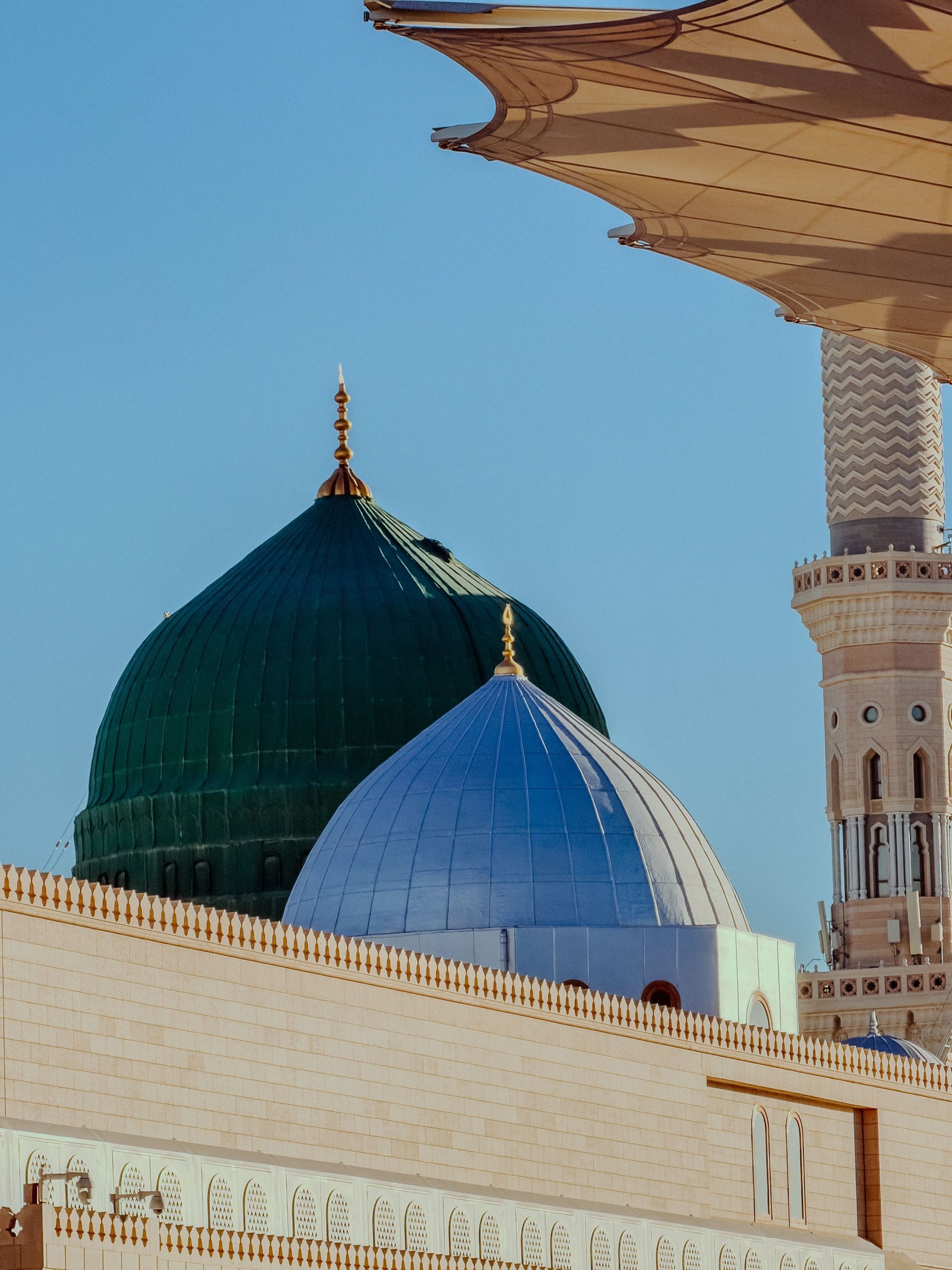
Planning Umrah from the UK? Learn why combining the official Nusuk visa app with ATOL-protected travel agents saves you money and secures your trip.

Child fares, infant fees and lap-baby rules explained. We price-tested 37 airlines on 10 routes — and built a free Price Guide that shows your family's split.
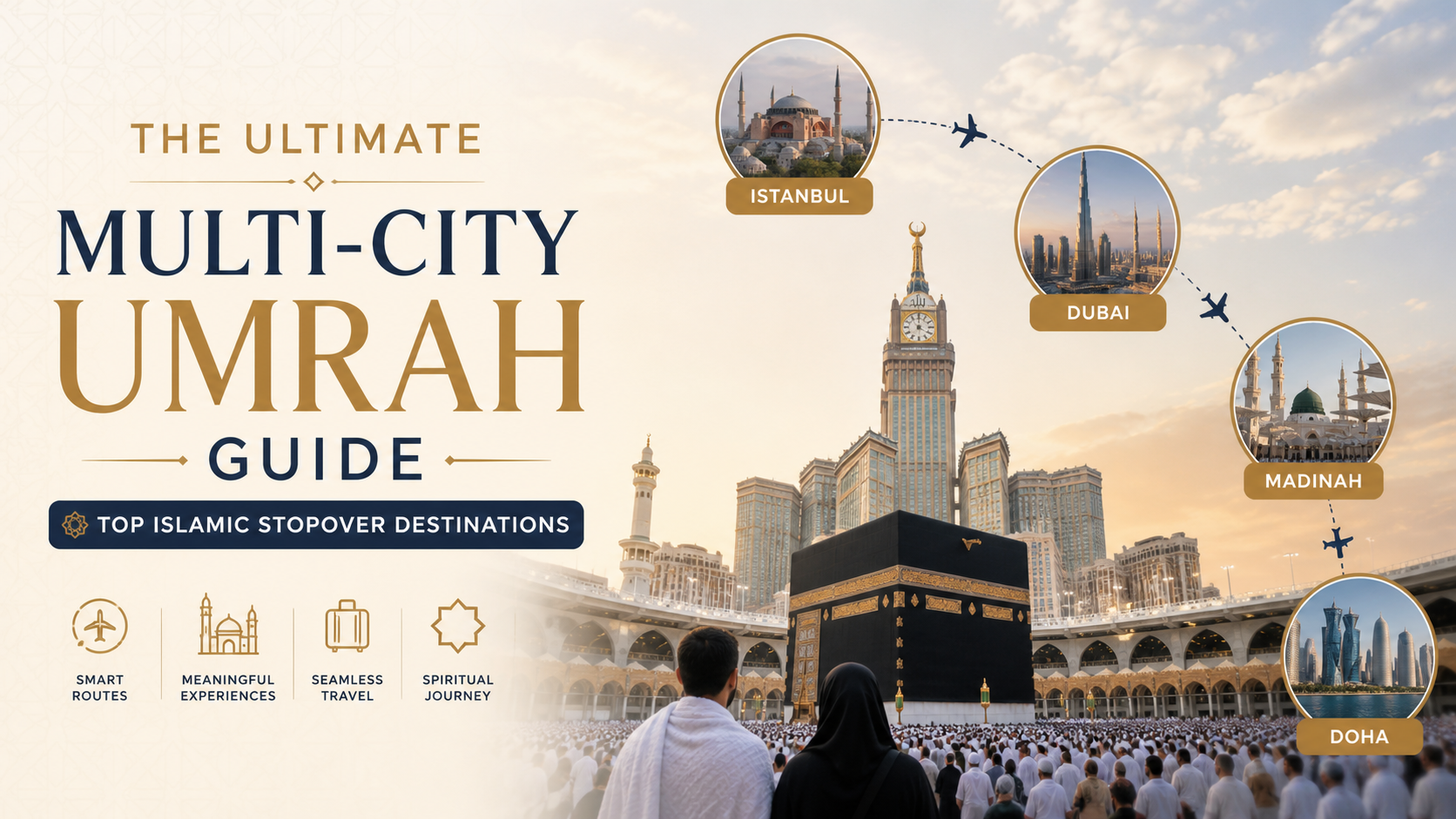
Discover the best Islamic heritage stopovers to combine with your Umrah. Plan protected multi-city routes with the Cypher Travels Umrah tool today.

Search, design, and book custom multi-city Umrah packages. Combine Makkah and Madinah with protected stays in Andalusia, Al Aqsa, Istanbul, Cairo, and more.

Discover why an agency's age doesn't guarantee a better holiday. Learn how Cypher Travel's real-time DIY Holiday Search Engine delivers freedom and safety.
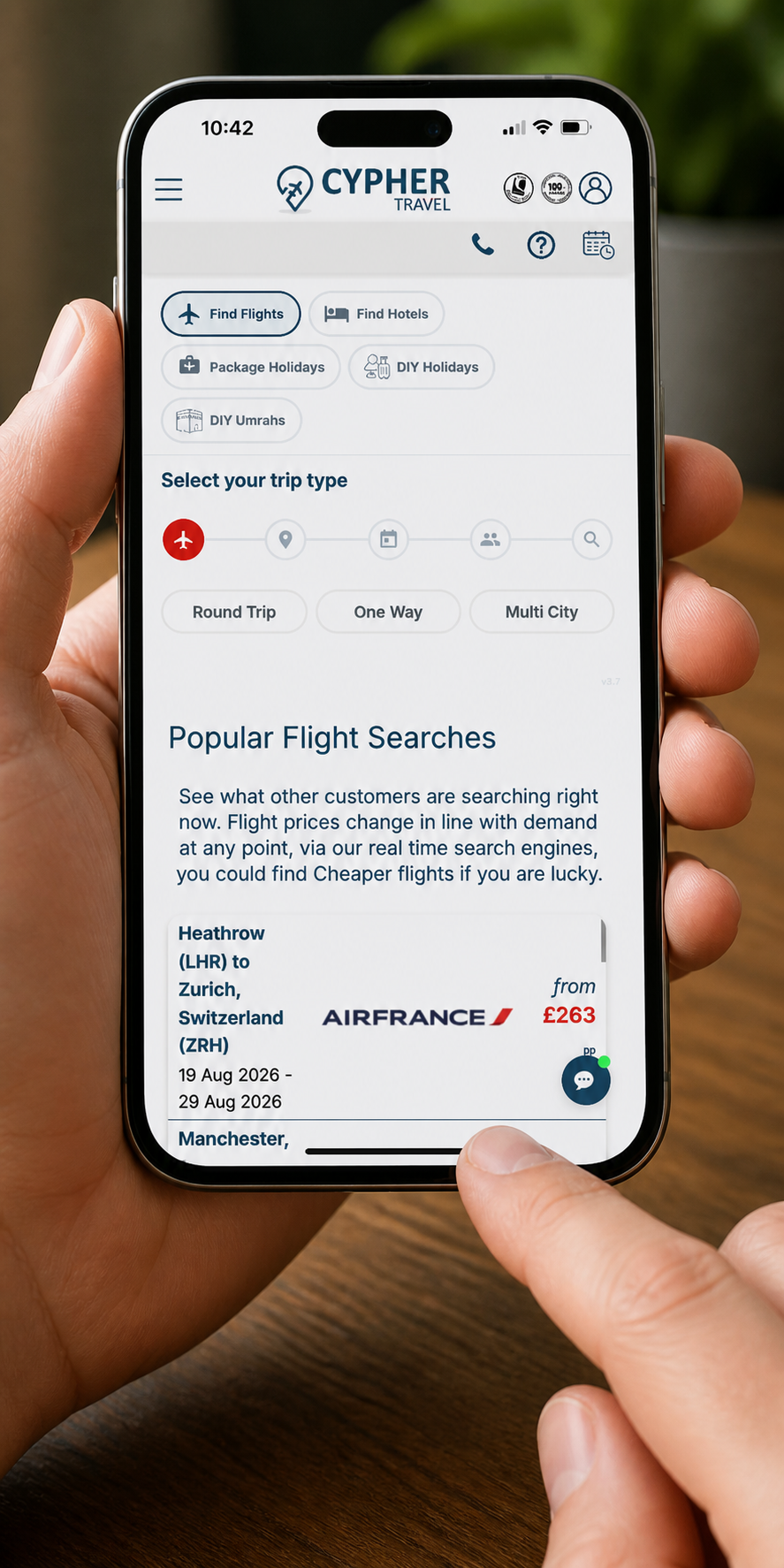
Learn how modern real-time booking engines and DIY tools offer better prices, total customisation, and airtight financial security.

Book affordable luxury Etihad holidays through Cypher Travel. Enjoy 100% financial protection and dedicated human support for a stress-free journey.
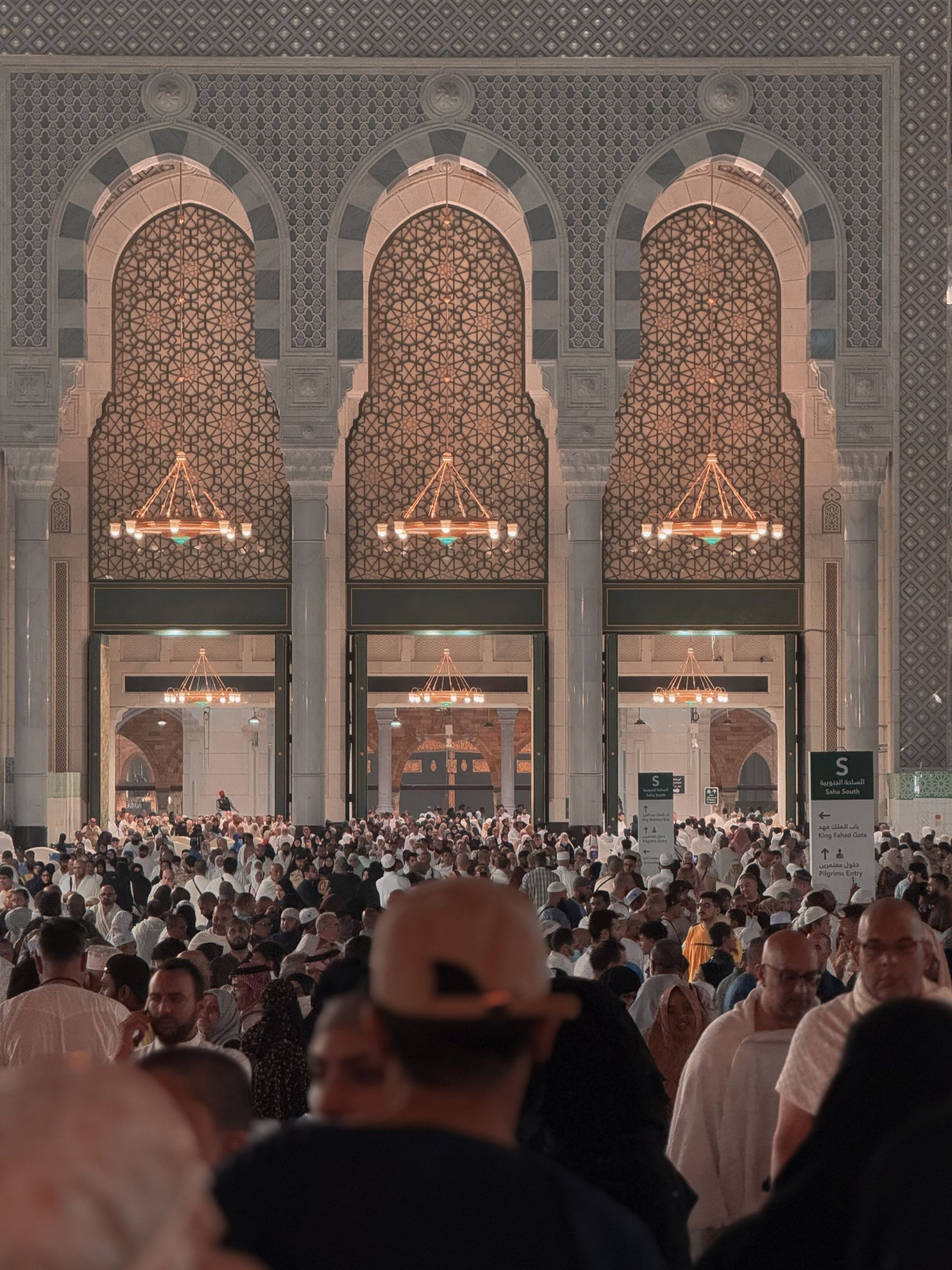
Discover how Cypher Travel's all-in-one website simplifies and speeds up the process of planning your Umrah journey. Save valuable time by accessing a comprehensive platform that offers customised DIY Umrah packages, transparent pricing, and expert support. Find flexible and affordable travel options departing from UK airports like LHR, LGW, and MAN, ensuring a hassle-free experience